 UK
UK
 Global Site


Driving Tips
Winter Driving
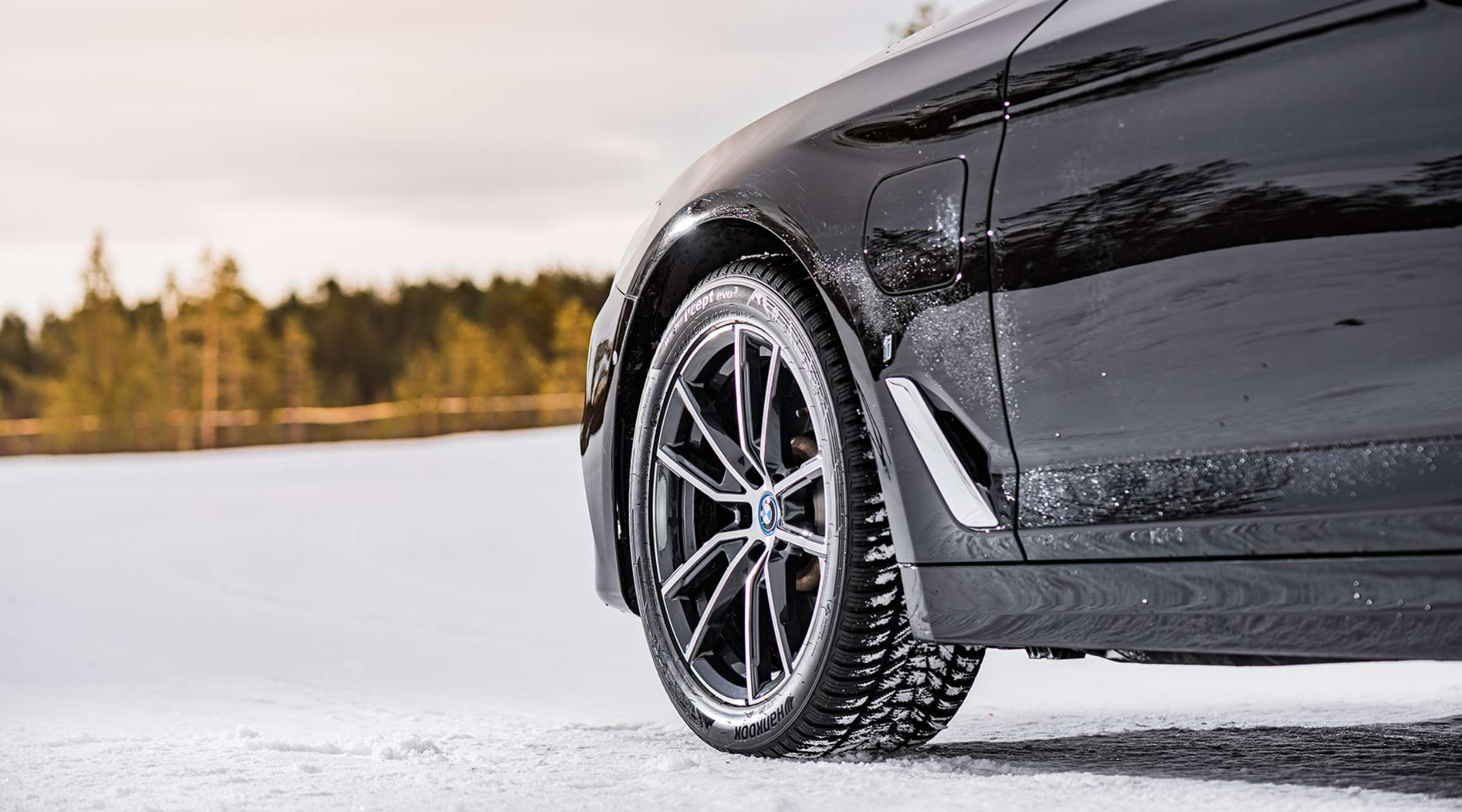
Winter tyres are designed to exhibit excellent braking power and handling on snow or ice-covered roads. Learning to use the right type of tyres and to drive properly will ensure a safer driving experience in winter.
Importance of Winter Tyres
-
For increased safety be sure to change all four tyres to winter tyres.
Winter tyres are made with a different rubber compound that has better grip in cold weather and an optimised tread width. This difference provides extra grip which prevents the car from slipping on snowy or icy roads. Even cars equipped with four-wheel drive need winter tyres.
Braking Distance of Winter Tyres in Comparison to Summer Tyres
Click the ‘Start’ button to find out the difference between braking distances of summer and winter tyres.
Factors to Consider When Driving In Wintery Conditions
-
Before turning a corner be sure to slow down.
-
If you do accelerate or brake abruptly, you may lose control of your vehicle.
-
Use brakes on straight roads.
-
Refrain from switching lanes on roads with a lot of snow.
-
On icy roads you need at least eight times the distance compared to a dry road. Keep your distance from the vehicle in front of you.
Your Guide to Winter Tires in Europe
-
Your Guide to Winter Tires in Europe
With new legislation updates for 2025, it’s essential to know the rules of your destination. Here’s what you need to know about winter tires across Europe this winter:
France
From 1 November to 31 March, winter tire rules are in place across mountainous regions, subject to decisions by local authorities. This area covers 34 French départements and mountain ranges such as the Alps, the Massif Central and the Pyrenees.
Winter and all-season tires with 3PMSF marking meet the legal requirement, with one exception for trailer tires on commercial vehicles. Studded tires are allowed on passenger vehicles only, whilst chains or snow socks can be used if mounted on the drive axle.
Germany
There is no fixed calendar period for winter tire use in Germany and so drivers are only legally mandated to fit winter tires if the weather conditions require it.
Vehicles must be equipped with 3PMSF-marked tires, and studded tires are not permitted for either passenger or commercial vehicles.
Italy
Winter tire requirements in Italy are based on road signs, with obligations enforced from 15 November to 15 April and in wintry conditions2. Tires with M+S marking and at least 1.6mm tread are permitted.
Chains must be available in the vehicle if snow tires are not mounted when driving on roads with signs. Passenger vehicles are permitted to use studded tires, which can improve grip on icy or snowy roads. There is also a one month period either side of November and April for mounting and dismounting winter tires.
Spain
Winter tires or snow chains are mandatory where indicated by road signs. Studded tires are allowed on passenger and commercial vehicles during the winter period which is from the last Saturday before November (25 October 2025) to the last Sunday in March (29 March 2026). 3PMSF-marked tires are also permitted for both vehicle types.
Additionally, buses must display a sign showing they are equipped with winter tires.
Sweden
With new legislation effective from 1 November 2025, Sweden will extend the period during which winter tires are mandatory on heavy duty vehicles from 10 November to 10 April, regardless of road conditions.
For passenger vehicles, from 1 December to 31 March winter tires must be fitted. Approved tire options include 3PMSF or studded tires with a minimum tread depth of 3mm. For vehicles with studded tires, trailers must also be similarly equipped. M+S tires are allowed on trailers for passenger and commercial vehicles in a transitional period until 2028.
Your Guide to Winter Tires in Europe
-
With new legislation updates for 2025, it’s essential to know the rules of your destination.
Here’s what you need to know about winter tires across Europe this winter
-
France
From 1 November to 31 March, winter tire rules are in place across mountainous regions, subject to decisions by local authorities. This area covers 34 French départements and mountain ranges such as the Alps, the Massif Central and the Pyrenees.
Winter and all-season tires with 3PMSF marking meet the legal requirement, with one exception for trailer tires on commercial vehicles. Studded tires are allowed on passenger vehicles only, whilst chains or snow socks can be used if mounted on the drive axle. -
Germany
There is no fixed calendar period for winter tire use in Germany and so drivers are only legally mandated to fit winter tires if the weather conditions require it.
Vehicles must be equipped with 3PMSF-marked tires, and studded tires are not permitted for either passenger or commercial vehicles. -
Italy
Winter tire requirements in Italy are based on road signs, with obligations enforced from 15 November to 15 April and in wintry conditions2. Tires with M+S marking and at least 1.6mm tread are permitted.
Chains must be available in the vehicle if snow tires are not mounted when driving on roads with signs. Passenger vehicles are permitted to use studded tires, which can improve grip on icy or snowy roads. There is also a one month period either side of November and April for mounting and dismounting winter tires. -
Spain
Winter tires or snow chains are mandatory where indicated by road signs. Studded tires are allowed on passenger and commercial vehicles during the winter period which is from the last Saturday before November (25 October 2025) to the last Sunday in March (29 March 2026). 3PMSF-marked tires are also permitted for both vehicle types.
Additionally, buses must display a sign showing they are equipped with winter tires. -
Sweden
With new legislation effective from 1 November 2025, Sweden will extend the period during which winter tires are mandatory on heavy duty vehicles from 10 November to 10 April, regardless of road conditions.
For passenger vehicles, from 1 December to 31 March winter tires must be fitted. Approved tire options include 3PMSF or studded tires with a minimum tread depth of 3mm. For vehicles with studded tires, trailers must also be similarly equipped. M+S tires are allowed on trailers for passenger and commercial vehicles in a transitional period until 2028.